A LEGACY IN MOTION
THE LOENNECHEN FAMILY LEGACY
Origins in Germany
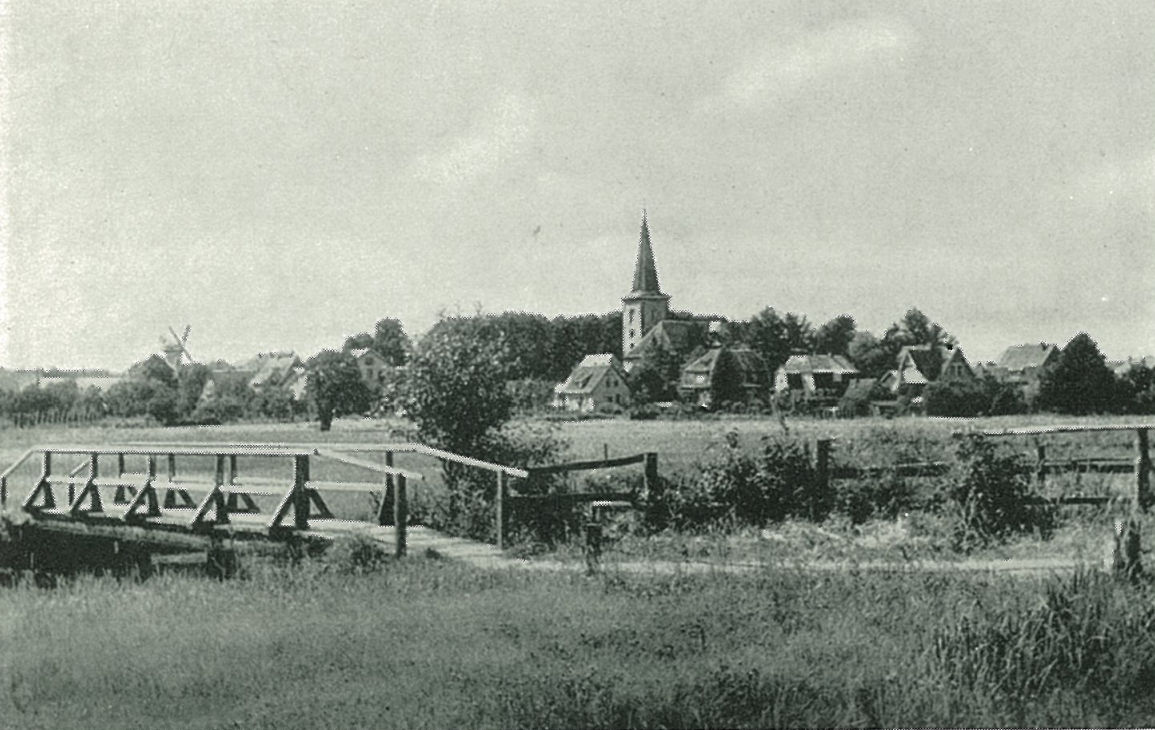
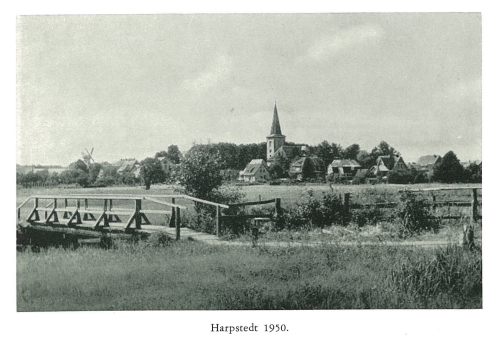
The Loennechen family has deep roots in northern Germany, especially in the regions of Harpstedt, Falkenburg, and Oldenburg. Historical documents trace the family’s earliest known presence to the 1600s, a period marked by the recovery from the Thirty Years’ War (1618–1648).
At that time, Harpstedt belonged to the Duchy of Brunswick, later coming under the rule of Hanover and, through it, King George III of England. The area was characterized by strong Lutheran traditions, prosperous farmland, and hardworking craftsmen — a background that shaped the family’s identity for generations.
Life in the 17th and 18th Centuries
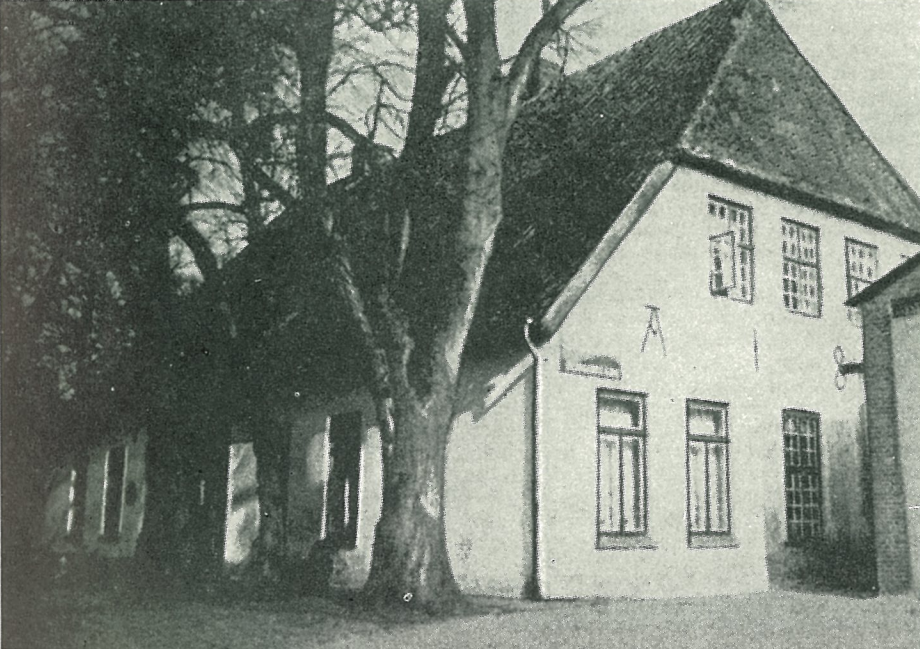
During the 1600s and 1700s, the northern German territories experienced frequent wars, famine, and political change. Despite the turmoil, the Loennechen family thrived in the countryside.
They were known for their resilience, trade skills, and service to local communities. Records describe how the region was contested between Sweden, Prussia, and Denmark, forcing families like the Loennechens to adapt through resourcefulness and diligence.
By the early 18th century, family members were spread across Harpstedt, Sandersfeld, Falkenburg, and Delmenhorst — all communities known for their fertile soil and Lutheran faith.
The Family Name and Lineage
The Loennecken (also spelled Lønnecken, Lönnecker, or Lonnecker) surname appears frequently in early church and civil registries from Harpstedt and neighboring parishes.
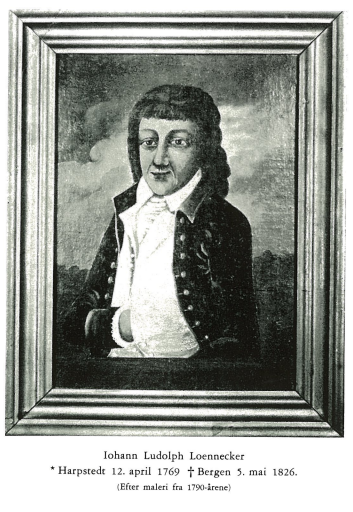
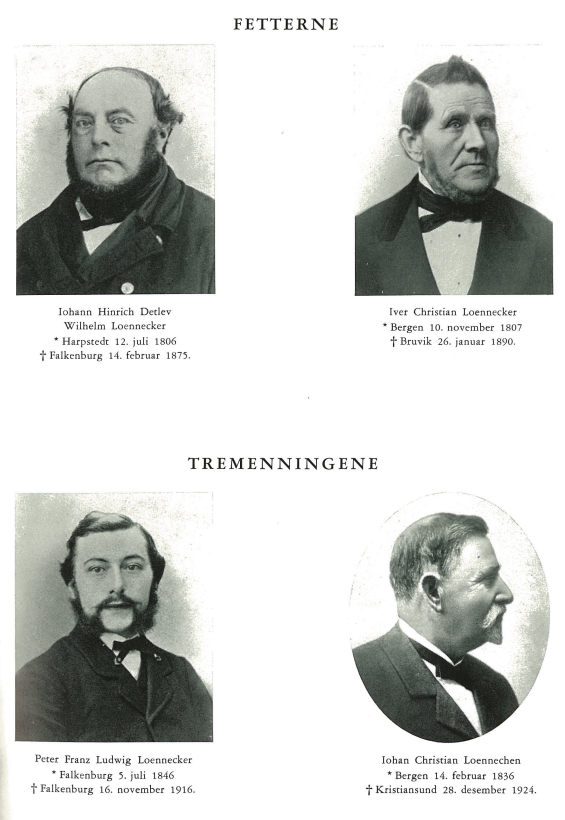
One of the earliest recorded ancestors is Johann Ludolph Loennecker, born 1766, whose descendants would later migrate to Norway.
The Loenneckens were craftsmen, merchants, and soldiers, often connected with Hanoverian and Prussian regiments that governed the area. Many family members served as civil workers or in the postal system — professions that would later define branches of the family in both Germany and Norway.
Migration to Norway (Late 1700s)
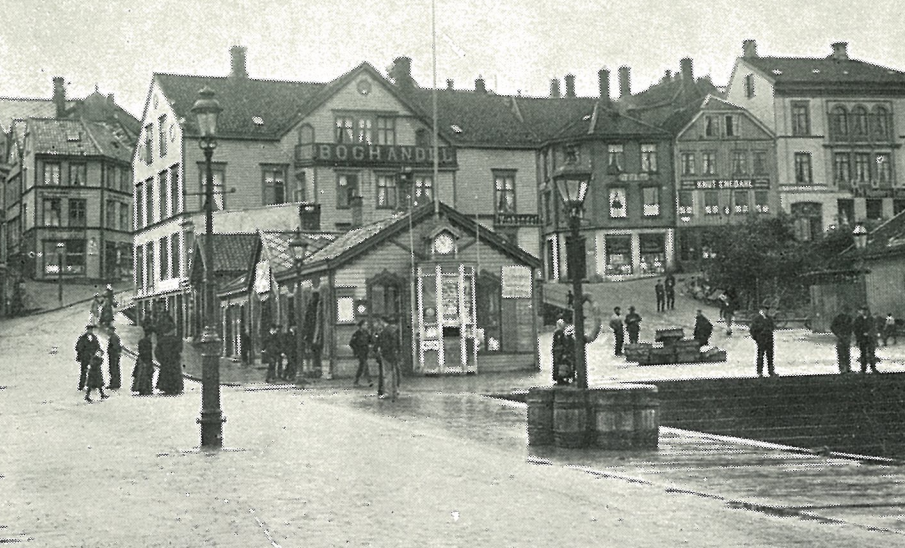
In 1786, the Loennecken family expanded northward, settling in Bergen, Norway. This migration marked the beginning of the Norwegian branch of the family.
It was during this period that Johann Ludolph Loennecker and his descendants established themselves in Norway, integrating into local society while maintaining strong ties to their German roots. Over the following generations, the family became well known in Norwegian business and culture.
The Norwegian Line
Through the 1800s and 1900s, the Norwegian Loenneckens built successful careers as merchants, professionals, and artists. Despite their new home, the family kept a keen awareness of their German heritage.
Among them was Sigurd Henrik Loennecker, who dedicated himself to documenting the family’s history. His efforts would become the key to reconnecting the Norwegian and German branches decades later.
The Hanseatics
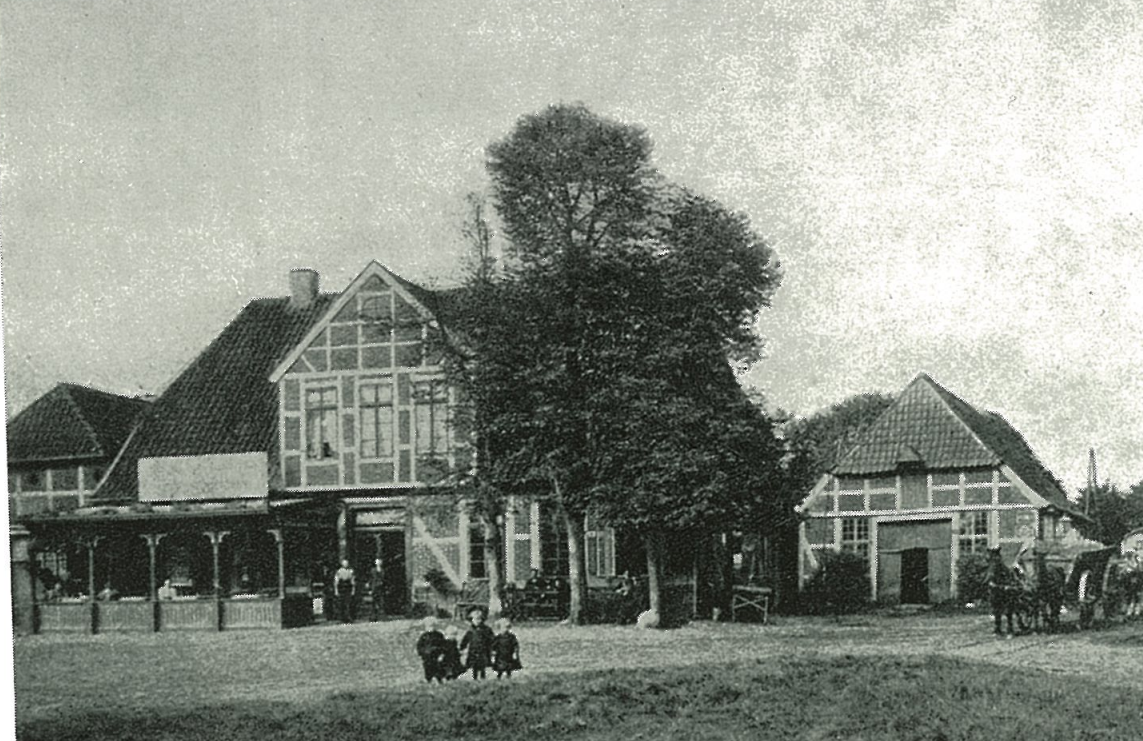
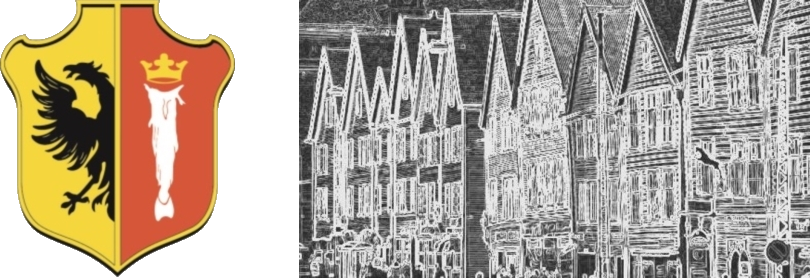
The Hanseatics were originally the members of the Hanseatic League, a powerful alliance of North German merchants and cities from the Middle Ages up until the 16th century, which controlled trade in Northern Europe and was especially influential in Bergen. In modern times, the term is also used to refer to the ruling social class in the city-states of Hamburg, Lübeck, and Bremen, or as a general designation for the inhabitants of these cities.
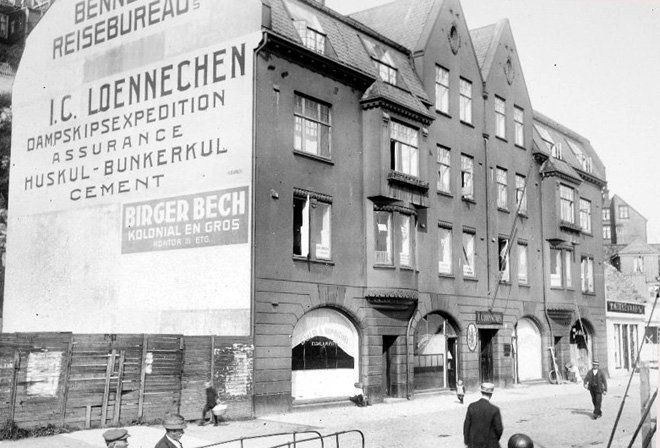
The Loennechen family played an important role in maintaining and developing relations with Bremen and the sorrounding cities.
Rediscovering the German Branch
In 1950, Sigurd Henrik Loennecker traveled to Germany to trace his ancestry and meet relatives in Harpstedt, Falkenburg, and Oldenburg. His journey became a historic reunion between family members separated for nearly two centuries.
He was warmly welcomed by Louise Loennecker and her family in Oldenburg, as well as by relatives in Falkenburg and other nearby towns. During his visit, Sigurd collected letters, photos, baptismal certificates, family trees, and written stories, ensuring the preservation of the Loennecken heritage.
Sigurd described the German relatives’ rose gardens, well-kept farms, and modern homes, which reflected a blend of tradition and progress. He wrote about their kindness, strong family ties, and deep respect for history, all of which resonated with the values of the Norwegian branch.
The Falkenburg Line
One of the most notable branches of the family developed in Falkenburg.
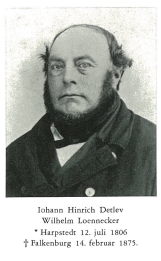
Johann Hinrich Detlev Wilhelm Loennecker (b. 1821) and his descendants served in key civic roles, including postmasters, landowners, and public officials. They contributed to the town’s economic and social growth throughout the 19th century.
The Falkenburg Loenneckens were known for their stability and leadership, maintaining properties and family traditions that lasted for generations.
Other relatives lived in Delmenhorst, Oldenburg, and Bremen, with some later emigrating to the United States, continuing the Loennecken legacy abroad.
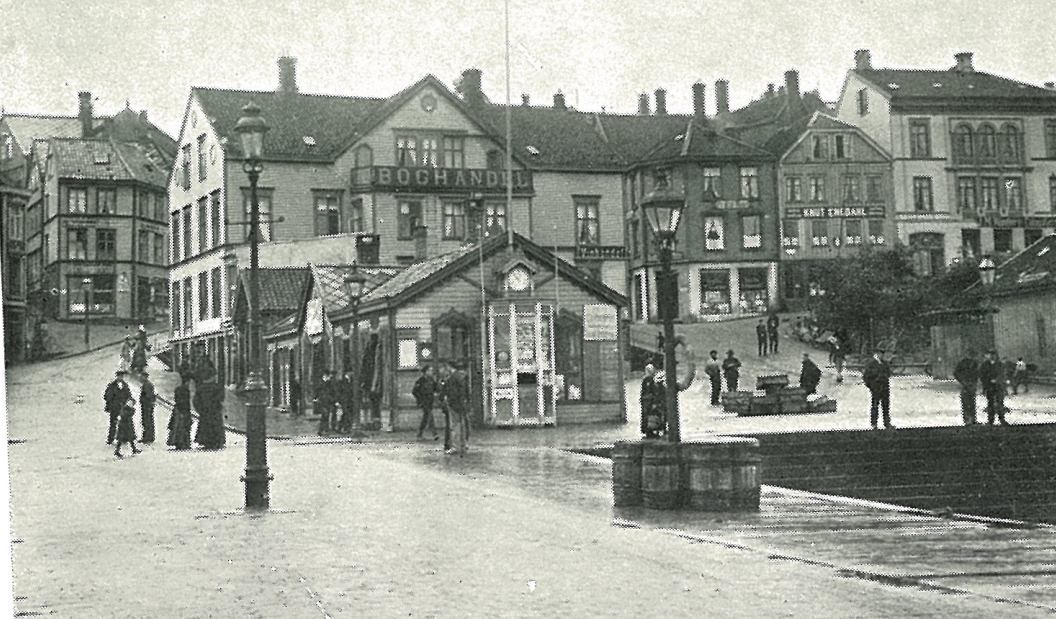
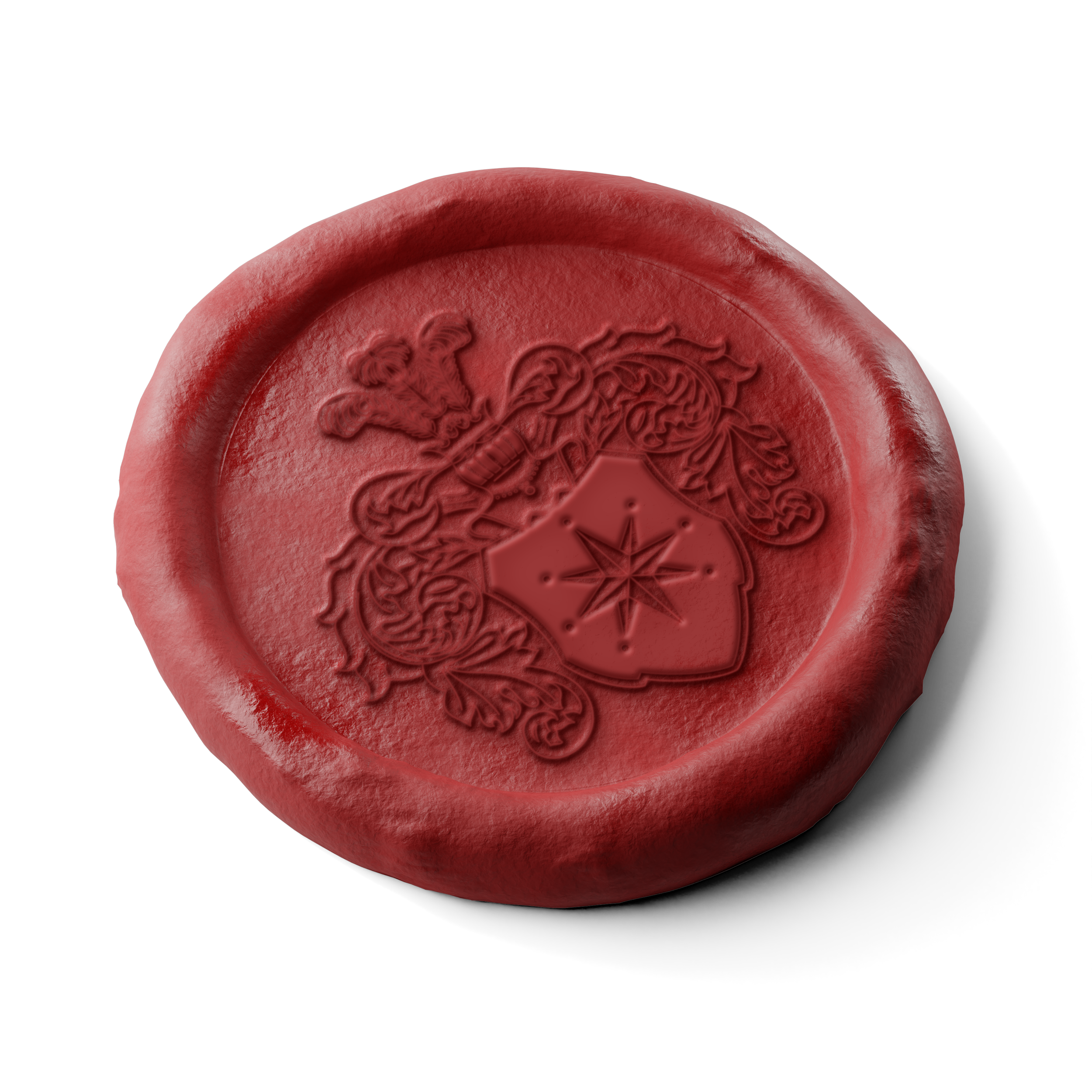
Across centuries, the Loennecken family remained anchored in faith, hard work, and unity.
They survived wars, political upheavals, and migration while preserving their name and values. Their story mirrors the broader history of Northern Europe — resilience through change, and progress built on heritage.
Many family members continued to uphold Lutheran traditions, serving their local parishes and communities both in Germany and Norway.
A Family of Faith and Resilience
The Modern Connection
Today, the Loennecken family is spread across multiple countries but remains united by a shared history. The Norwegian and German branches maintain communication, honoring the work of Sigurd Henrik Loennecker, whose dedication ensured that their origins would never be forgotten.
Family archives, photographs, and letters collected over the centuries now serve as a record of endurance — a bridge between generations, nations, and stories.
The Loennecken legacy stands as a testament to perseverance, adaptability, and identity.
From the farmlands of Harpstedt to the coastal towns of Bergen, the family has carried forward its heritage with pride.